
8 Best Shopify Print-on-Demand Apps (2026)
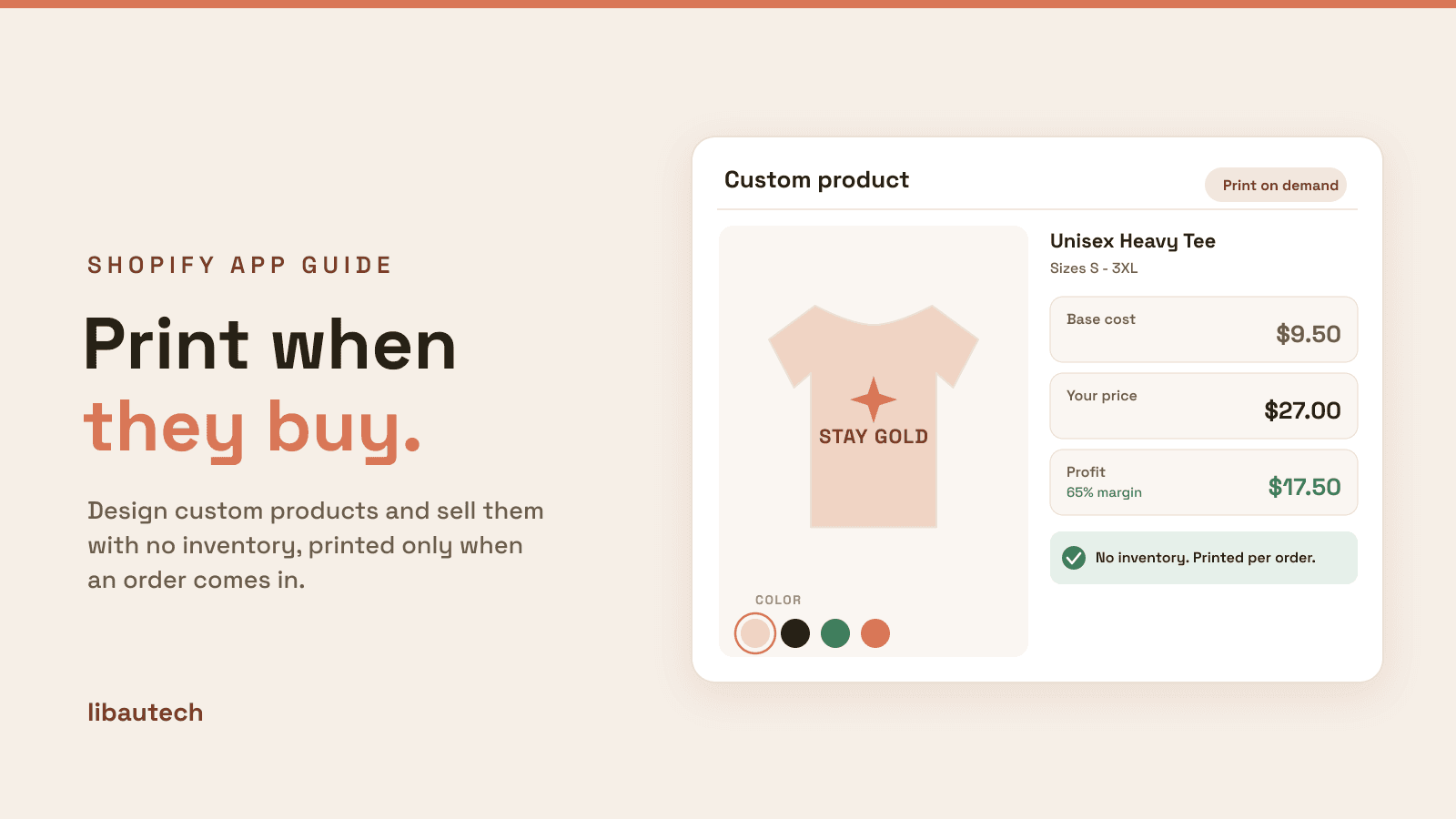
The best Shopify print-on-demand apps in 2026 let you sell custom-designed products, apparel, mugs, posters, jewelry, with no inventory: the item is printed and shipped only when a customer orders. They cover a few jobs: all-purpose POD, fast global production, and niche categories like jewelry and custom apparel. Printful leads on quality and branding, Printify on range and cost, and Gelato on local, global fulfillment. We do not make a print-on-demand app, so this is a neutral roundup ranked on merit, and it is honest about margins and quality.
Key takeaways
- Printful and Printify are the two giants. Printful controls its own production for consistent quality and branding; Printify is a network of providers with the widest product range and often lower base costs.
- Margins are the catch. After base cost and shipping, POD margins are slimmer than they look, so price for real profit that still leaves room for ads and returns.
- Quality varies, especially on network platforms, so order samples before you sell. You own the customer experience even though you never touch the product.
- Design and niche are the differentiators. POD is easy to start and crowded, so a strong niche, like ShineOn's jewelry or Apliiq's custom apparel, and original designs beat generic printed tees. Ratings and pricing are from the live App Store as of August 2026.
On this page
What a print-on-demand app does
Print-on-demand, or POD, lets you sell custom products without stock or a print shop. The app handles design, production and fulfillment, in a few ways.
Design products, uploading your artwork onto blank items, tees, hoodies, mugs, posters, phone cases, with a mockup generator that produces product photos.
Set your price and margin, on top of the app's base cost, so your retail price and profit are defined per product.
Print and ship on demand, producing each item only when a customer orders and shipping it directly, so you never hold inventory or handle fulfillment.
Add branding, with custom labels, packaging inserts and, on some apps, private-label or bespoke products, so the order feels like your brand, not a generic print shop.
Which POD job is yours
Name your priority and match it to a row.
| Your priority | Best pick | Why |
|---|---|---|
| Quality and branding | Printful | In-house production and strong branding. |
| Range and lowest cost | Printify | The largest network and product catalog. |
| Fast, local, global shipping | Gelato | Prints close to the customer worldwide. |
| Jewelry and gifts | ShineOn | High-margin personalized jewelry. |
| Custom apparel and streetwear | Apliiq | Private-label and cut-and-sew clothing. |
How we ranked these
We do not make a print-on-demand app, so nothing on this list is ours and there is no bias to disclose. We ranked on product range and quality, mockup and design tools, shipping speed and cost, branding options, rating and review depth, and price. We weight quality and shipping because those drive the customer experience you are responsible for. Ratings and pricing are from the live Shopify App Store as of August 2026.
The 8 best print-on-demand apps compared
| App | Rating | Reviews | Price | Best for |
|---|---|---|---|---|
| Printful: Print on Demand | 4.8 | 3,733 | Free to install | Quality and branding |
| Printify: Print on Demand | 4.7 | 4,343 | Free to install | Range and lowest cost |
| Gelato: Print on Demand | 4.8 | 985 | Free to install | Fast, local, global production |
| ShineOn: Print On Demand | 4.7 | 512 | Free to install | Jewelry and personalized gifts |
| Apliiq: Print On Demand | 4.8 | 294 | Free to install | Custom apparel and streetwear |
| teelaunch: Print on Demand | 4.4 | 108 | Free to install | A wide product range |
| NinjaPOD: DTF Print on Demand | 4.4 | 72 | Free to install | DTF apparel printing |
| PODpartner: Print on Demand | 4.7 | 31 | Free to install | A growing alternative |
Ratings and pricing verified from live listings, August 2026. POD apps are free to install; you pay the base cost of each product when it sells.
The apps, ranked
1. Printful: Print on Demand
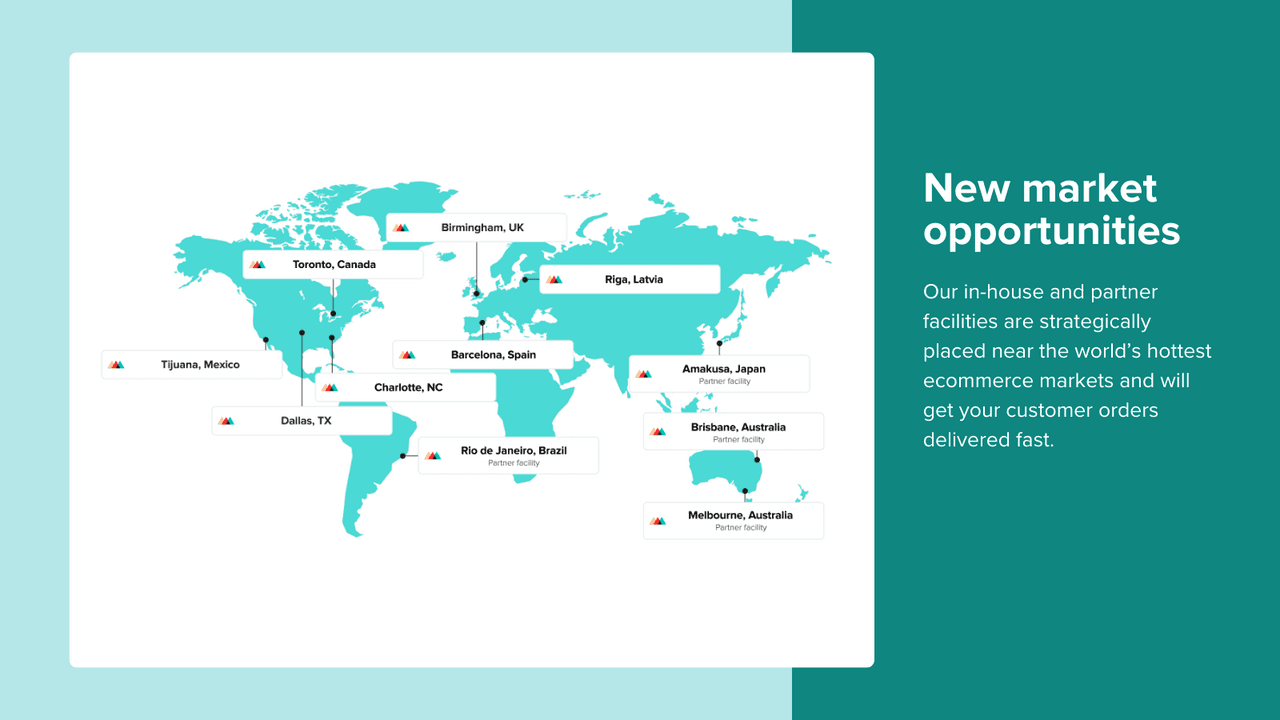
Printful (4.8 across more than 3,700 reviews) is the quality and branding leader. It runs its own production facilities for consistent results, offers custom branding, labels and packaging, a strong mockup generator and deep Shopify integration, all free to install.
Strengths: consistent in-house quality, excellent branding and mockups, and reliable fulfillment, the pick when quality matters.
Watch-outs: base costs run higher than the cheapest networks, so price for margin.
Best for: brands prioritizing quality and branding. Free to install.
2. Printify: Print on Demand
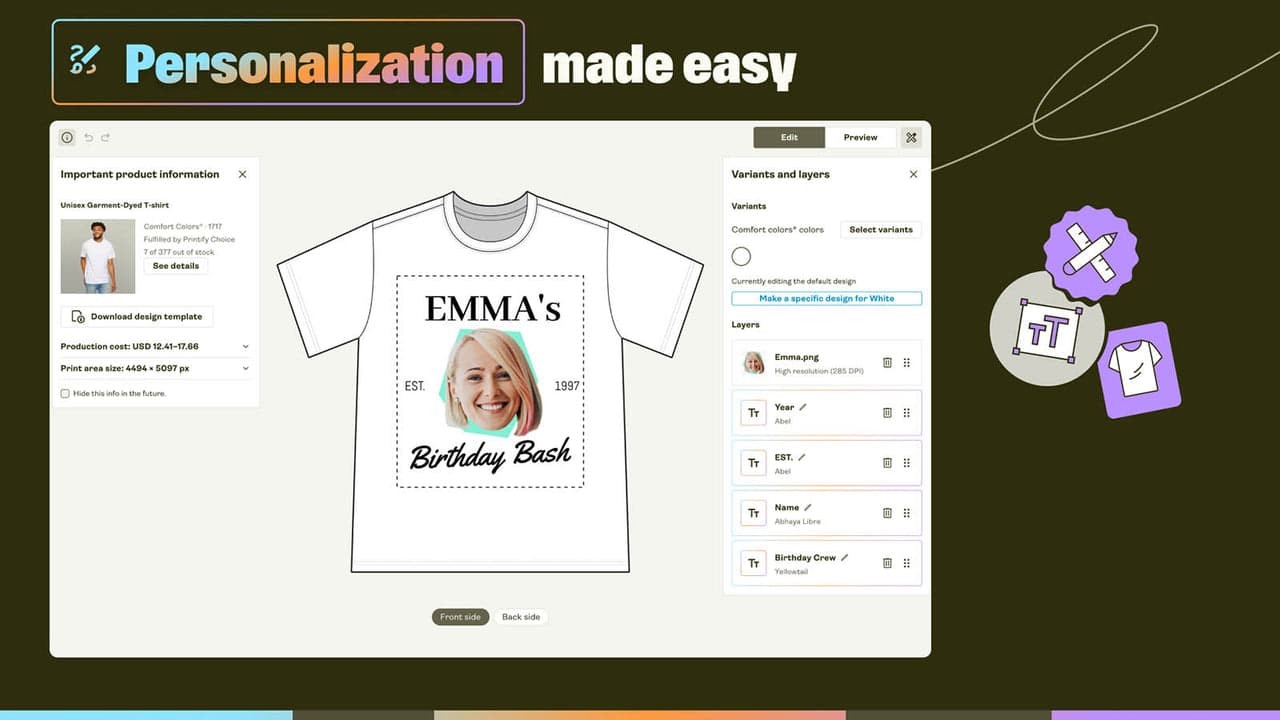
Printify (4.7 across more than 4,300 reviews) is the largest print network, with the most products and providers and often the lowest base costs, which gives you range and margin. You choose the print provider per product, so you can optimize for cost, location or quality.
Strengths: the biggest catalog and provider network, low base costs, and flexibility to pick providers, free to install.
Watch-outs: quality varies by provider, so test providers and order samples before committing.
Best for: stores wanting range and the best margins. Free to install.
3. Gelato: Print on Demand
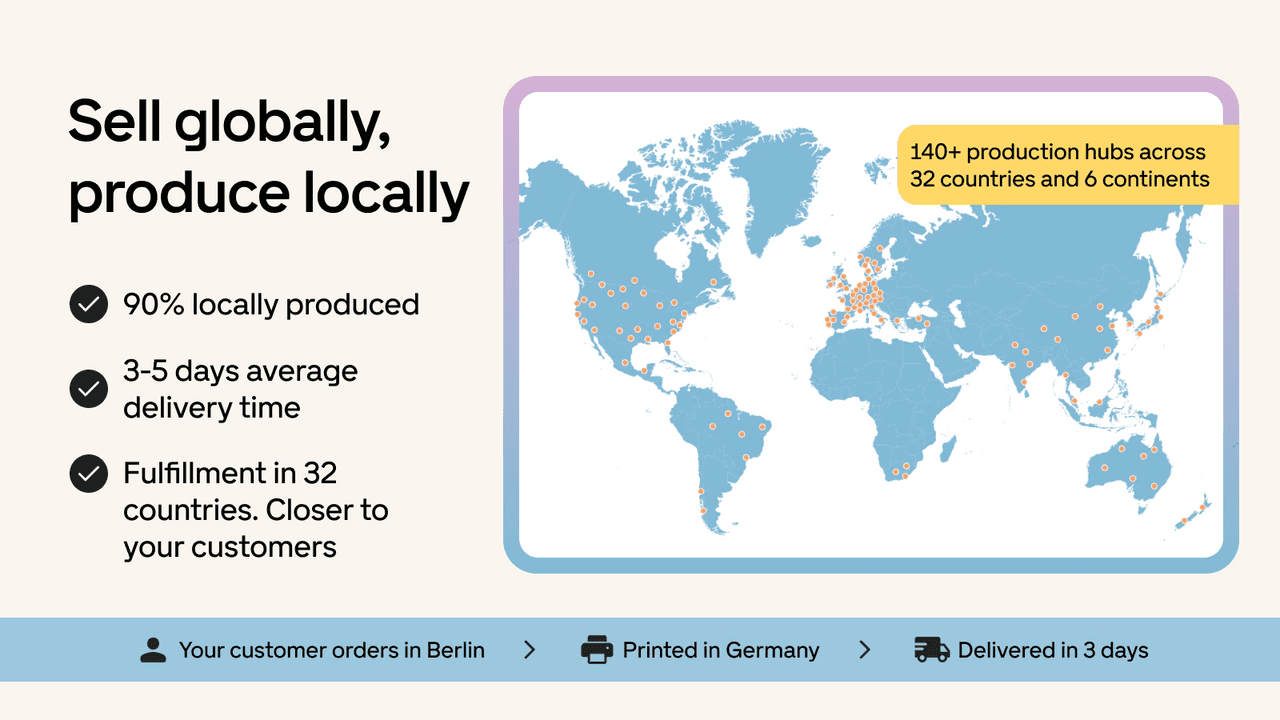
Gelato (4.8 across roughly 985 reviews) runs a global production network that prints close to the customer, which means faster, cheaper and greener shipping for international stores. It is a strong choice if you sell across multiple countries.
Strengths: local production in many countries for faster, lower-cost shipping, a high rating, and a sustainability angle.
Watch-outs: the product range is more focused than Printify, so check it covers what you sell.
Best for: international stores wanting local fulfillment. Free to install.
4. ShineOn: Print On Demand
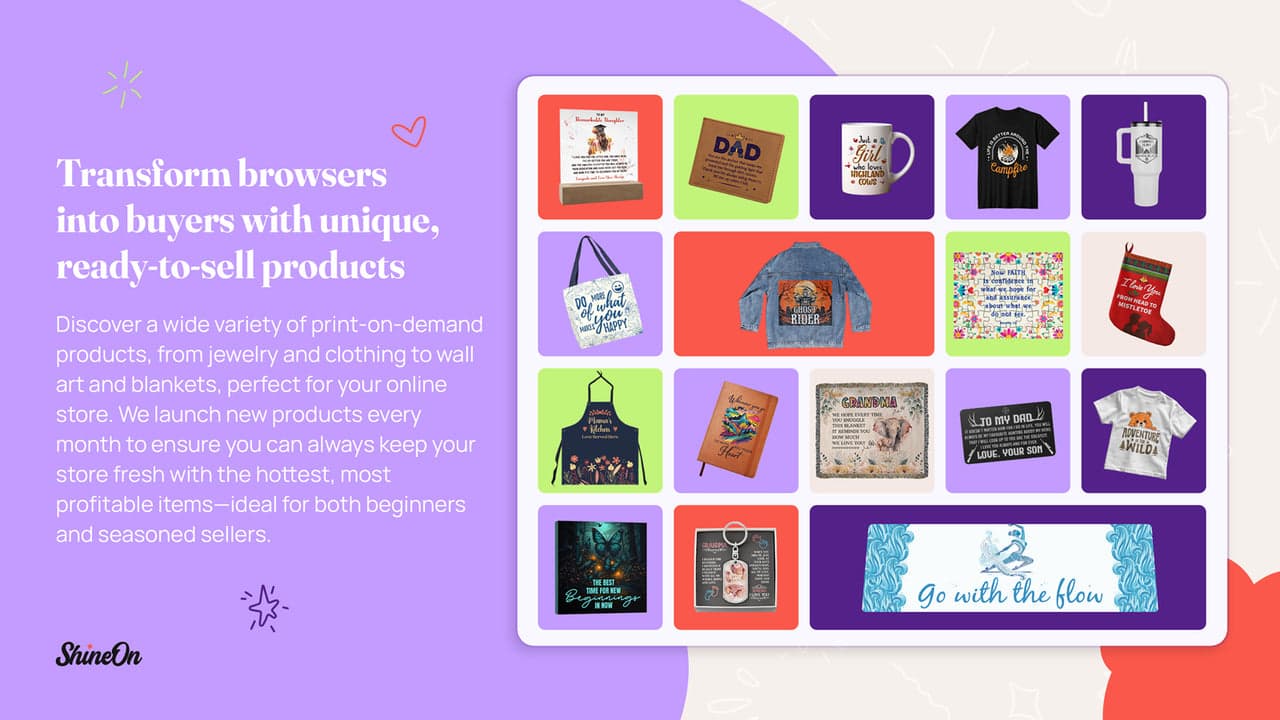
ShineOn (4.7 across roughly 510 reviews) is the niche specialist for high-margin personalized jewelry and gifts, necklaces, bracelets and keepsakes with message cards, a category that stands out from the crowded apparel POD market.
Strengths: high-margin, giftable jewelry with personalization and message cards, a differentiated niche.
Watch-outs: it is jewelry and gift focused, so it is not a general POD tool.
Best for: stores selling personalized jewelry and gifts. Free to install.
5. Apliiq: Print On Demand
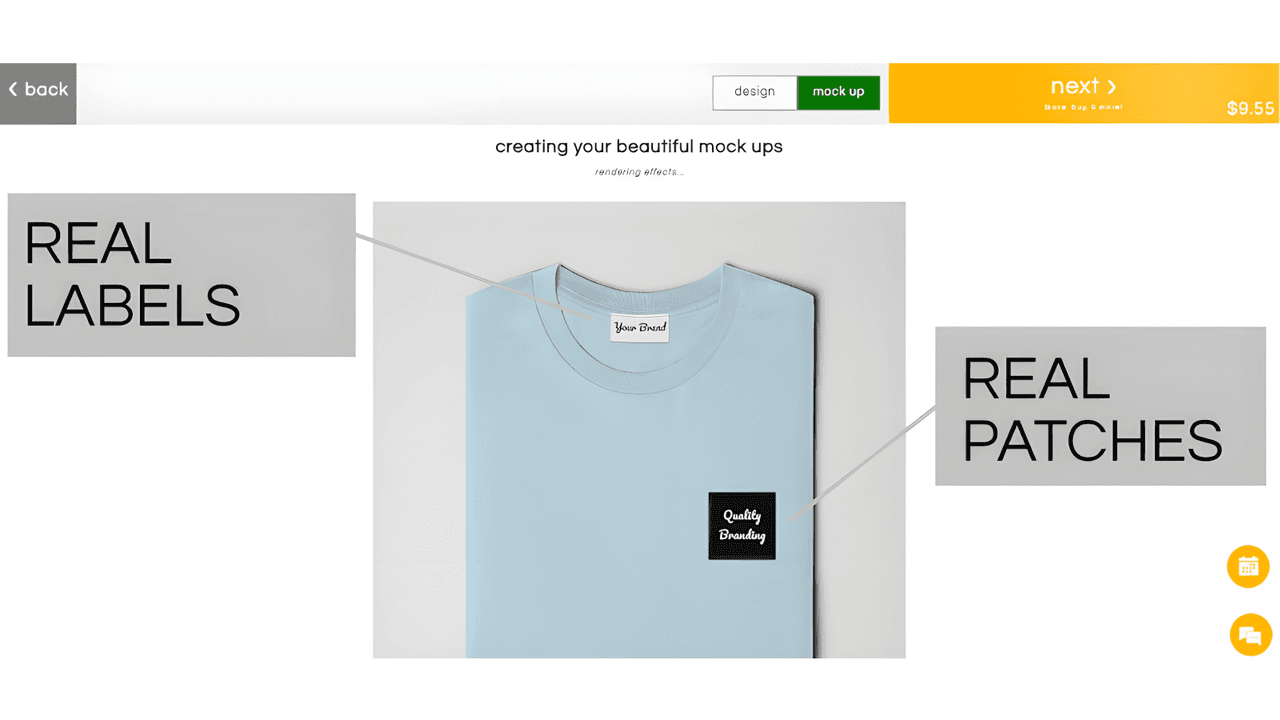
Apliiq (4.8 across roughly 290 reviews) is built for custom apparel and streetwear: embroidery, custom labels, cut-and-sew and premium blanks that let you build a real clothing brand rather than basic printed tees.
Strengths: genuine private-label and custom-apparel options with premium finishing, for a differentiated clothing brand.
Watch-outs: custom apparel costs more and takes longer to produce, so plan pricing and lead times.
Best for: apparel brands wanting custom, private-label clothing. Free to install.
6. teelaunch: Print on Demand
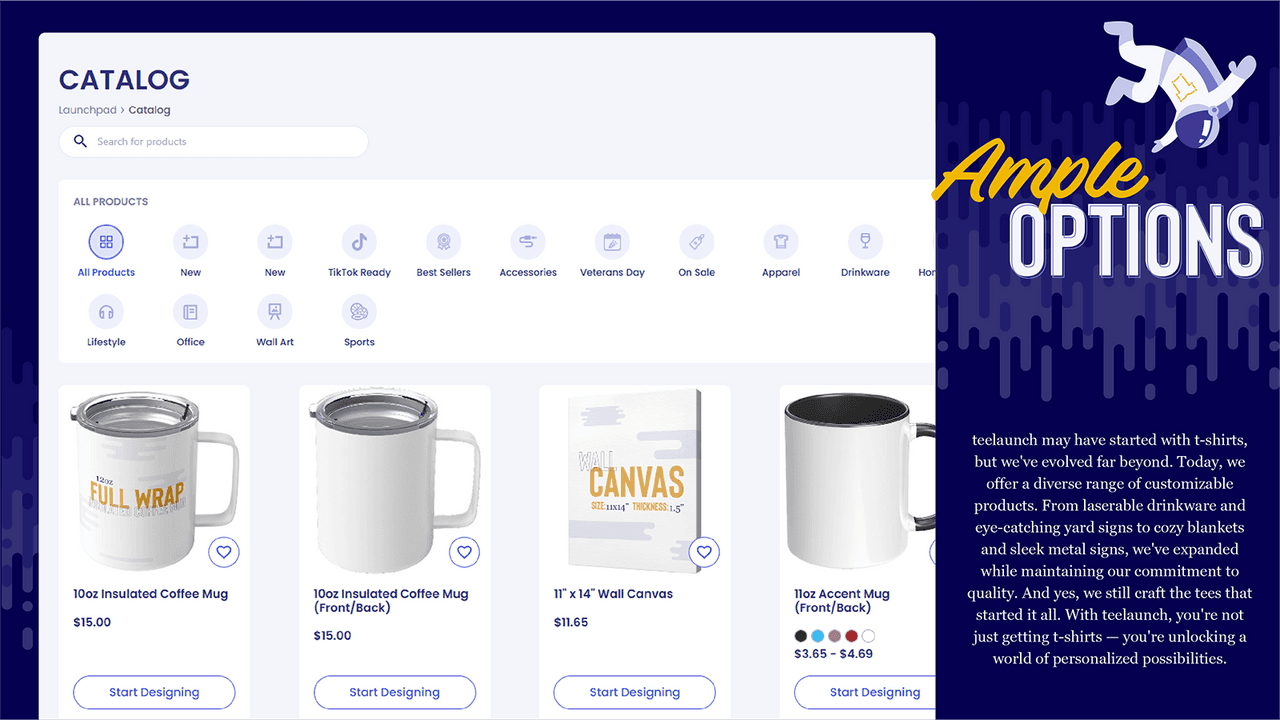
teelaunch (4.4 across roughly 110 reviews) is a long-running POD app with a broad, sometimes unusual, product range beyond the basics, from drinkware to home goods, free to install, for stores that want variety.
Strengths: a wide and varied product catalog, an established app, and free installation.
Watch-outs: a lower rating than the leaders, so check quality and shipping for the specific products you choose.
Best for: stores wanting a varied product range. Free to install.
7. NinjaPOD: DTF Print on Demand
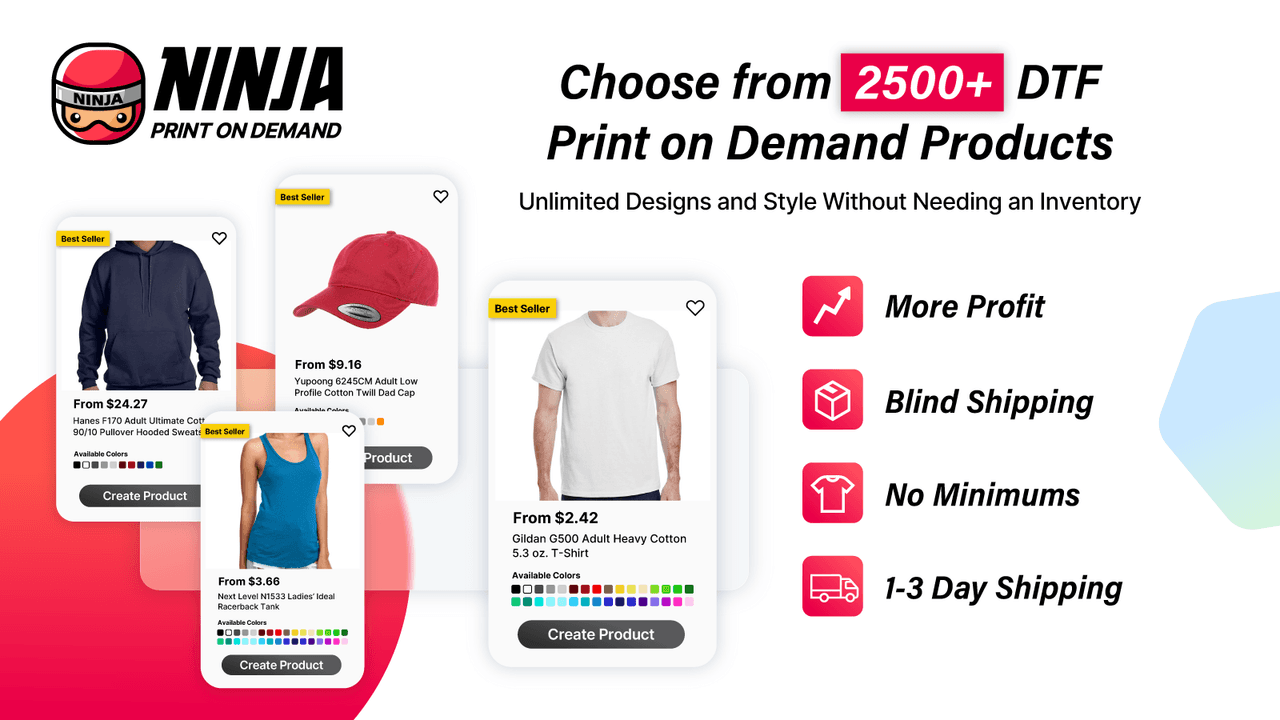
NinjaPOD (4.4 across roughly 70 reviews) focuses on DTF, direct-to-film, apparel printing, a method known for vivid, durable prints on a range of fabrics, free to install, for apparel sellers who want that print quality.
Strengths: DTF printing for vivid, durable apparel graphics, and free installation.
Watch-outs: a smaller, newer review base, so order samples to confirm quality and turnaround.
Best for: apparel sellers wanting DTF print quality. Free to install.
8. PODpartner: Print on Demand
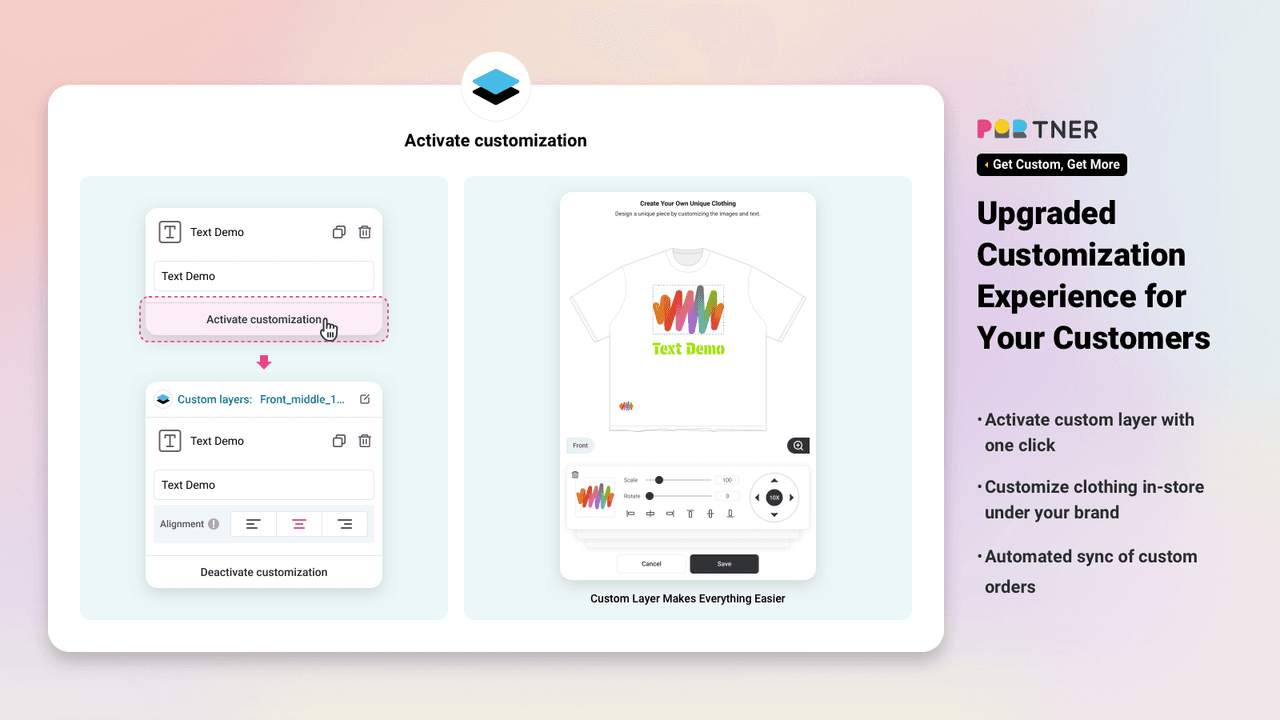
PODpartner (4.7 across a small base of 31 reviews) is a newer, well-rated POD app offering product design and fulfillment as a growing alternative to the giants, free to install.
Strengths: a high rating so far, standard POD design and fulfillment, and free installation.
Watch-outs: a very small review base, so treat it as newer and test quality and shipping first.
Best for: stores wanting to try a newer POD option. Free to install.
Which POD app to choose
Best for quality and branding: Printful.
Best for range and cost: Printify.
Best for global shipping: Gelato.
Best for jewelry and gifts: ShineOn.
Best for custom apparel: Apliiq.
Which print-on-demand app fits your store?
Pick what you need most and we will point you to the best fit. We do not make a print-on-demand app, so every pick here is chosen on merit.
Common print-on-demand mistakes
Underpricing and killing your margin. After base cost and shipping, POD margins are thinner than they look. Price for a real profit that still covers advertising and returns, or you lose money on every sale.
Not ordering samples. You own the quality even though you never see the product. Order samples of everything you sell, so you know the real quality, color and shipping time your customers get.
Selling generic designs. POD is easy to start and crowded. A plain slogan tee competes with thousands. Original designs, a clear niche and a real brand are what actually sell.
Ignoring shipping times and costs. Slow or expensive shipping loses sales. Use local production where you can, show honest delivery estimates, and factor shipping into your price.
Mixing providers without checking consistency. On network platforms, quality and sizing vary between print providers. Pick and test a provider per product rather than assuming they are all the same.
Think your app belongs on this list?
We review submissions against the same criteria we rank on and add the ones that qualify. If you build a Shopify app in this category, send it in.