Last updated: May 2026 · Pricing verified May 4, 2026 · Reviewed by the Libautech team, builders of Bundles & Upsell, Sticky Add to Cart, Announcement Bar, and 7 other Shopify apps used by 5,000+ merchants across 50+ countries.
Fraud is a tax on growth. Every store pays it; the question is how much. The right stack reduces the rate without rejecting so many legitimate orders that the merchant loses more revenue to false positives than would have been lost to actual fraud. "Fraud app" is a loose category covering four distinct jobs that share the goal of reducing chargeback losses but differ completely in implementation, cost structure, and operational complexity. Sort the four jobs first because the right tool depends on which job is actually material to the store.
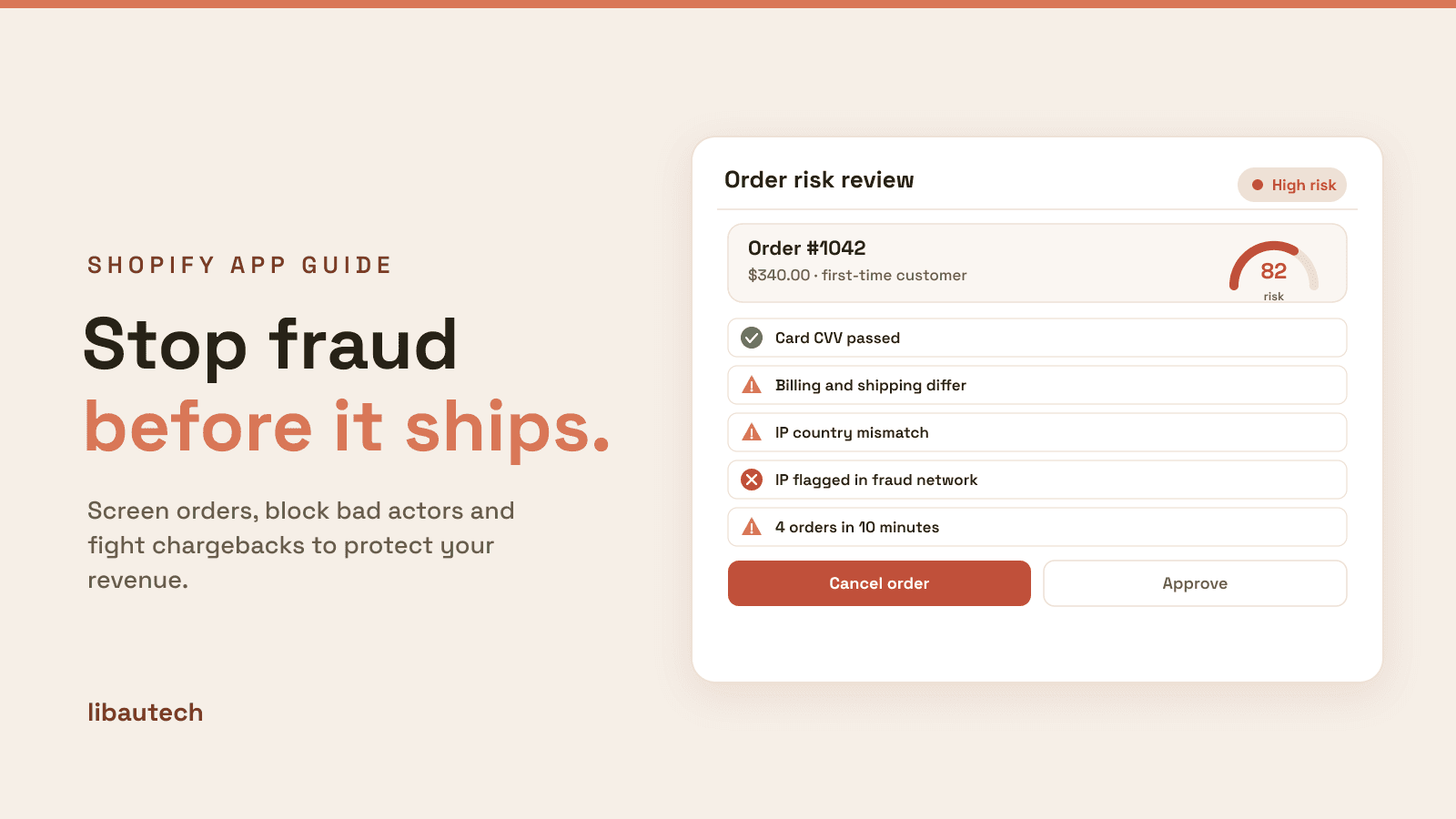
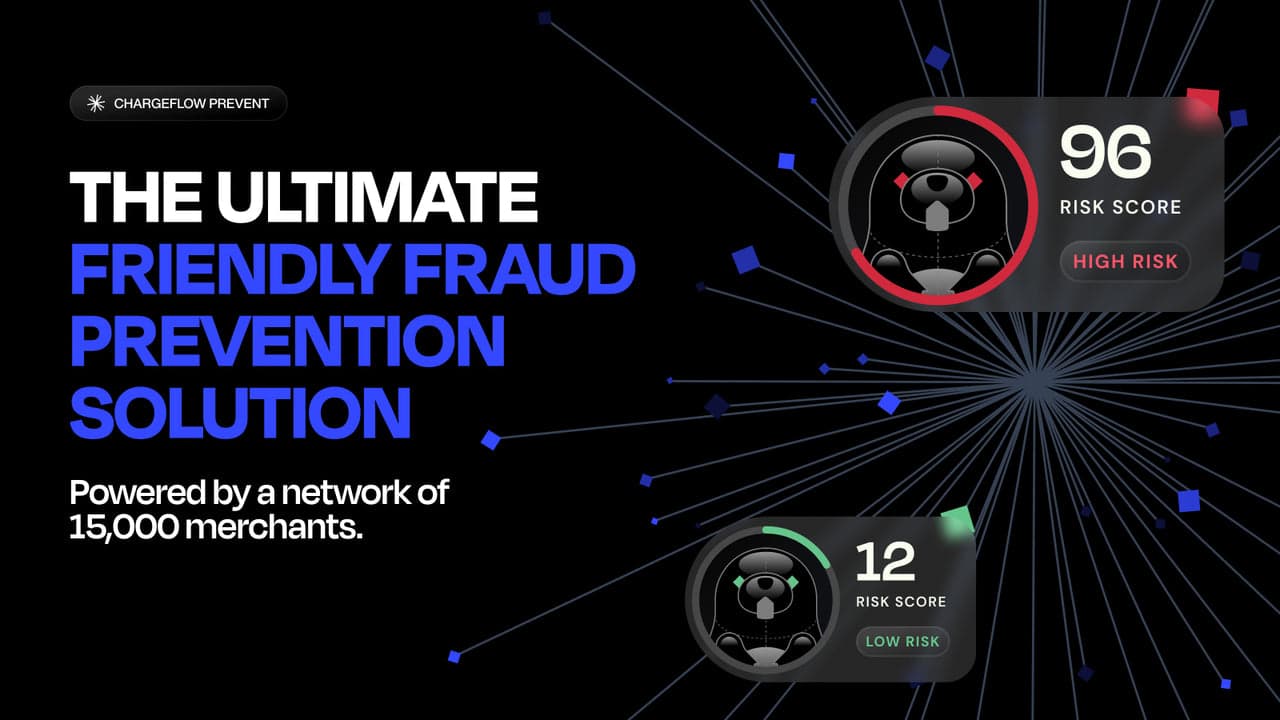
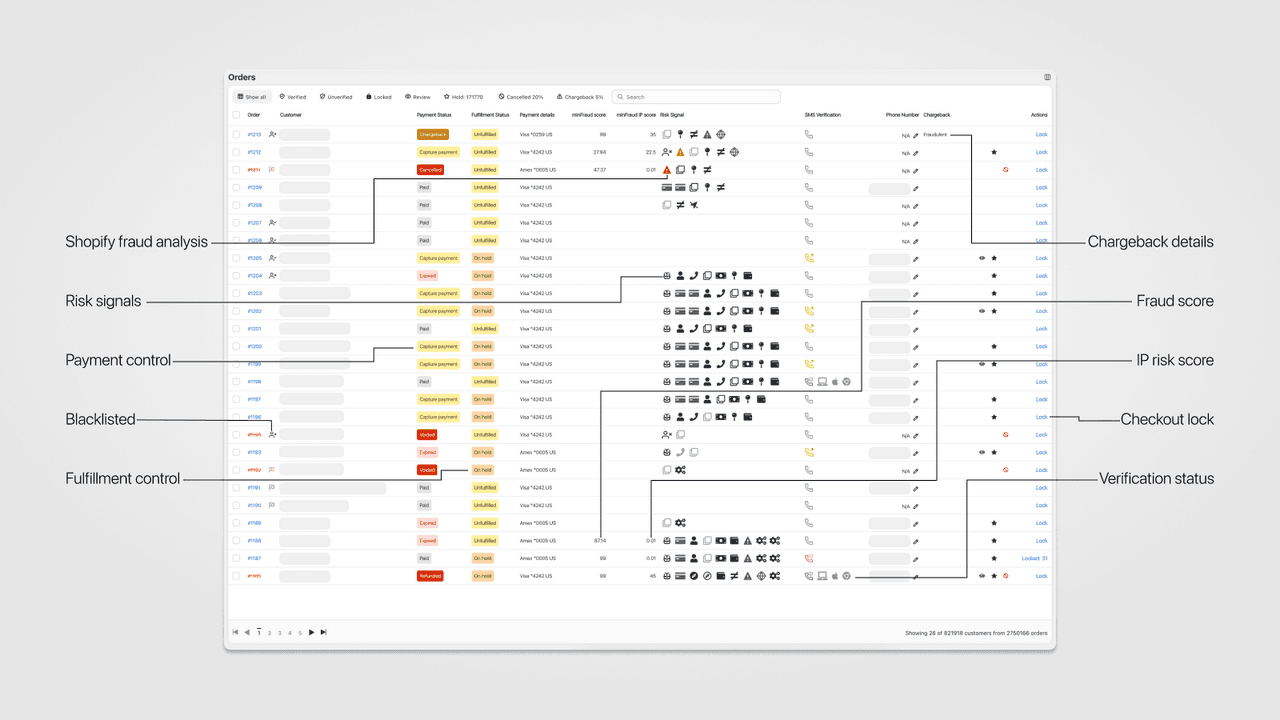
The first job is real-time risk scoring at checkout. The mechanics: app reads order signals (IP address, billing/shipping address match, BIN country, velocity, device fingerprint, email reputation) and produces a risk score between 0 and 100 in real time as the order is placed. Best fit: every store, because the cost is essentially zero (Shopify includes native fraud analysis free) and the data informs every other fraud decision downstream. Stores that skip risk scoring are making fraud decisions blind, which produces both higher false-positive rates (rejecting legitimate orders) and higher false-negative rates (approving fraud).
The second job is chargeback guarantee. The mechanics: app approves an order with explicit financial backing. If the transaction is later disputed as fraud, the app pays the chargeback. The economic structure: merchants pay a small fee per approved order (typically 0.3-1.5% of order value); in return, the app pays any chargeback that comes back from an approved order. Best fit: stores with chargeback rates above 0.5%, where the guarantee fee is less than the chargebacks plus processing penalties. Stores with very low chargeback rates pay the guarantee fee on every order while only collecting the benefit on the rare fraudulent transactions, which makes the math work against them.
The third job is manual review workflow. The mechanics: app surfaces high-risk orders, gives reviewers a structured dashboard with all the signals (IP geolocation, BIN country, address match, velocity history), and routes outcomes (approve, reject, request more info). Best fit: stores doing 100+ flagged orders per month where manual triage through the standard Shopify admin is operationally overwhelming. Below that threshold, Shopify's native fraud analysis with manual review on flagged orders is sufficient.
The fourth job is post-purchase identity verification. The mechanics: high-risk order is held; customer is asked to verify identity (ID upload, document check, selfie verification) before fulfillment. Best fit: high-ticket goods (jewelry, electronics, luxury goods, designer apparel) where one fraud loss costs more than 100 verification requests at the friction tax of legitimate buyers who do not complete the verification. The friction is real, so identity verification is the wrong fit for low-AOV stores where the lost legitimate orders cost more than the avoided fraud.
This ranking is based on four criteria applied to every Shopify fraud prevention app tested in 2026, weighted by merchant impact. First, which of the four fraud jobs each app solves best (real-time scoring, chargeback guarantee, manual review, or identity verification). There is no single best fraud app, and the right choice depends on the store's chargeback rate, average order value, and risk tolerance. Apps were ranked higher when they declared their fit clearly rather than marketing themselves as universal solutions. Second, cost-effectiveness relative to chargeback losses. A $0.30/order guarantee tool only earns its place when chargebacks would otherwise cost more than the cumulative guarantee fees across all orders.
Third, integration depth with Shopify's native fraud analysis and Shop Pay. Apps that complement Shopify Protect rather than duplicate it ranked higher because the duplication creates conflicting risk scores that fragment merchant decision-making. Fourth, Shopify App Store rating and review volume as a signal of long-term reliability under real merchant load. Fraud apps that have accumulated thousands of reviews at 4.6+ ratings have a real track record across thousands of stores running active fraud screening, which validates the technical reliability of the risk-scoring model under production load.
Every pricing figure in this post was verified directly from the live Shopify App Store listing on May 4, 2026. Fraud prevention pricing varies based on order volume and risk profile, so always confirm current pricing on the Shopify App Store before installing. This post is general guidance, not financial advice. Fraud risk and chargeback economics depend heavily on category, AOV, customer geography, and processor. For high-stakes fraud setups (regulated products, high-ticket, international), pair tooling with a payments consultant who knows the specific processor's chargeback rules.
Rating: Built into Shopify · Pricing: Free with Shop Pay · Best for: Most US Shopify stores using Shop Pay as the primary payment method · Job solved: Native real-time risk scoring plus chargeback guarantee on Shop Pay orders
Shopify Protect is the answer for most US merchants. The positioning: eligible Shop Pay orders that pass Shopify's risk model are protected. If the order is disputed as fraud, Shopify reimburses the merchant. Free, automatic, and built into the platform without additional configuration. The only catch is that Protect only covers Shop Pay orders, so the percentage of orders covered depends on Shop Pay adoption at the store. For stores doing the bulk of orders through Shop Pay (typical for stores with strong returning-customer bases), this plus Shopify's built-in fraud analysis is enough. Add a third-party tool only if the covered percentage is low or chargeback losses are above the protected threshold.
Core features: automatic chargeback reimbursement on eligible Shop Pay orders that pass Shopify's risk model; native integration with Shopify's fraud analysis system showing risk levels (low/medium/high) on every order; zero-configuration deployment (Protect activates automatically on eligible Shop Pay orders without merchant setup); coverage for the most common fraud chargeback reason codes (10.4 fraudulent transaction, 10.5 fraud monitoring program); integration with Shopify's standard order management workflow so reimbursed chargebacks appear in standard reporting; and zero per-order cost. Where it falls short: covers only Shop Pay orders, not Visa/Mastercard checkout flows or external payment methods. The eligibility threshold (Shopify's risk model approval) means some Shop Pay orders are not covered even when Shop Pay is used. Stores with high-ticket orders ($500+) sometimes find that Shopify Protect's risk model rejects orders that would otherwise be legitimate, creating false-positive losses on the front end. Best fit for stores where Shop Pay is the dominant checkout method and average order values fall in the typical Shopify range ($30-300).
Rating: Built into Shopify · Pricing: Free · Best for: Visibility on every order regardless of payment method or store size · Job solved: Free real-time risk scoring with manual review hooks
Every Shopify order shows a fraud risk indicator (low/medium/high) with the underlying signals that drove the risk assessment. Free, automatic, and visible from the order page. The use case: triage which orders deserve manual review before fulfillment. Shopify Fraud Analysis does not stop fraud automatically (the merchant still chooses whether to fulfill flagged orders), but it tells the merchant which orders to look at, which is most of the value for stores below the threshold where dedicated fraud apps justify their cost.
Core features: automatic risk scoring on every order showing low/medium/high indicator visible from the order page; underlying signals breakdown showing which factors drove the risk assessment (IP geolocation, billing/shipping address match, BIN country, AVS result, CVV match); integration with Shopify's standard order workflow so flagged orders can be tagged, held, or reviewed before fulfillment; risk score history across the customer's order history (repeat customers with strong order patterns score lower over time); free with no order volume limits or per-order fees; and integration with Shopify Flow for custom automation (auto-cancel orders above a risk threshold, auto-tag flagged orders for manual review queue). Where it falls short: provides risk scoring but no chargeback guarantee. Merchants still bear the chargeback cost when fraudulent orders are approved despite the risk indicator. The signal depth is lighter than dedicated fraud apps like FraudLabs Pro for stores in higher-fraud-rate categories. Manual review workflow is functional but lighter than dedicated review tools. Best fit as the foundation layer of the fraud stack for every Shopify store, with paid apps added on top only when the chargeback rate justifies the additional cost.
Rating: 4.6/5 across 250+ reviews · Pricing: Free plan (500 queries/mo), paid from $34.95/mo · Best for: Stores in higher-fraud-rate industries wanting deeper signals than Shopify's native analysis · Job solved: Layered risk scoring with extended signal coverage
FraudLabs Pro adds layered risk signals on top of Shopify's native analysis. The positioning: rather than replacing Shopify's risk model, FraudLabs Pro adds IP geolocation, BIN intelligence, proxy detection, velocity rules, and email reputation checks that Shopify's default does not include. The free plan covers small stores with 500 queries/mo (sufficient for stores under 100 orders/day). Paid plans scale by query count. Best for stores in higher-fraud-rate industries (electronics, gift cards, luxury goods, prepaid cards) where the extra signals catch fraud patterns that Shopify's default analysis misses.
Core features: deep IP geolocation including proxy and VPN detection (catches fraud attempts using anonymizing services); BIN intelligence identifying card issuer, country, and card type (catches stolen cards from non-matching geographic regions); velocity rules detecting repeated orders from the same IP, email, or device fingerprint (catches fraud attempts that test multiple cards in sequence); email reputation checks against known fraud email patterns; device fingerprinting tracking the browser and device characteristics across order attempts; configurable risk score thresholds with merchant-defined accept/review/reject rules; integration with Shopify Flow for custom automation; and a free plan covering 500 queries/mo (sufficient for stores under 100 orders/day). Where it falls short: signal depth without chargeback guarantee. Merchants still bear the chargeback cost when FraudLabs approves fraudulent orders. The query-based pricing scales unfavorably for high-volume stores compared to flat-rate alternatives. Smaller install base than mass-market alternatives. Best fit for stores in higher-fraud-rate categories where the signal depth justifies the cost over Shopify's native analysis without yet requiring full chargeback guarantee.
Rating: 4.6/5 across 200+ reviews · Pricing: Custom (per-order fee model) · Best for: Stores with chargeback rates above 0.5% where the guarantee fee is less than chargeback losses · Job solved: Chargeback guarantee with per-order risk approval and financial backing
NoFraud screens every order and either approves with a chargeback guarantee or rejects. The economic mechanic: merchants pay a small fee per approved order (typically 0.3-1.5% of order value depending on category and risk profile); in return, NoFraud pays any chargeback that comes back from an approved order. The 4.6-star rating reflects strong merchant satisfaction at the specific use case where chargeback guarantee economics make sense. For stores losing meaningful revenue to chargebacks, the guarantee is worth more than the fee. For stores with very low chargeback rates, the fee is overhead.
Core features: real-time risk approval with explicit financial guarantee on approved orders; chargeback reimbursement on all approved orders that get disputed (covers fraudulent transaction reason codes); coverage across all payment methods including Shop Pay, Visa/Mastercard, AmEx, and external processors; manual review workflow for orders that fall in the medium-risk band where automatic approval is uncertain; integration with Shopify's standard order workflow so approved orders flow through normally; reporting on fraud-saved metrics (chargebacks prevented, false-positive rate); custom rule configuration for category-specific risk patterns; and dedicated account manager support for higher-volume stores. Where it falls short: per-order fee model means stores pay on every order regardless of risk, which makes the math unfavorable for stores with very low chargeback rates. Custom pricing requires sales contact rather than transparent self-serve, which trips up smaller merchants wanting to evaluate cost before committing. The chargeback guarantee covers only fraud-related disputes, not other chargeback reason codes (product not as described, item not received, etc.). Best fit for stores at the specific economic threshold where chargeback losses justify the per-order guarantee fee.
Rating: 4.6/5 across 100+ reviews · Pricing: Custom enterprise pricing · Best for: Mid-market and enterprise stores with strong chargeback economics and complex risk scenarios · Job solved: Enterprise-grade chargeback guarantee with deep risk modeling for B2B and high-ticket scenarios
Signifyd is the enterprise-leaning chargeback guarantee. Same model as NoFraud but built for higher order volumes and more complex risk scenarios (B2B procurement orders, high-ticket luxury goods, international cross-border transactions). The choice between Signifyd and NoFraud is mostly about scale and pricing negotiation. Both pay the chargeback if their model approved the order. Signifyd typically wins for stores doing $5M+ annual revenue or with diversified payment mix where the deeper risk modeling justifies the enterprise pricing tier.
Core features: real-time risk approval with chargeback guarantee covering all payment methods; deep risk modeling using machine learning trained on billions of transactions across the Signifyd merchant network; B2B-specific risk handling for procurement orders, large multi-line carts, and corporate card transactions; international risk modeling covering cross-border transactions where domestic risk models fail; integration with major enterprise commerce platforms beyond Shopify (Magento, BigCommerce, Salesforce Commerce Cloud); dedicated account management with named risk analysts; custom rule configuration for category-specific patterns; coverage for chargeback reason codes beyond pure fraud (item not received protection, product not as described in some configurations); and reporting integrated with enterprise analytics platforms. Where it falls short: enterprise pricing structure with custom contracts that do not make economic sense for stores below $1M/year revenue. Implementation complexity assumes enterprise IT support rather than solo-merchant operations. The 4.6 rating across only 100+ reviews reflects the small Shopify-specific install base because Signifyd's primary market is enterprise web properties beyond Shopify. Best fit for Shopify Plus operations within larger enterprises rather than mid-market Shopify stores that can run effectively on NoFraud or Shopify Protect.
Rating: 4.9/5 across 300+ reviews · Pricing: Free plan, paid from $9.99/mo · Best for: Stores wanting rules-based fraud screening with merchant control over decision logic · Job solved: Lightweight rules-based risk screening at the lowest paid price point
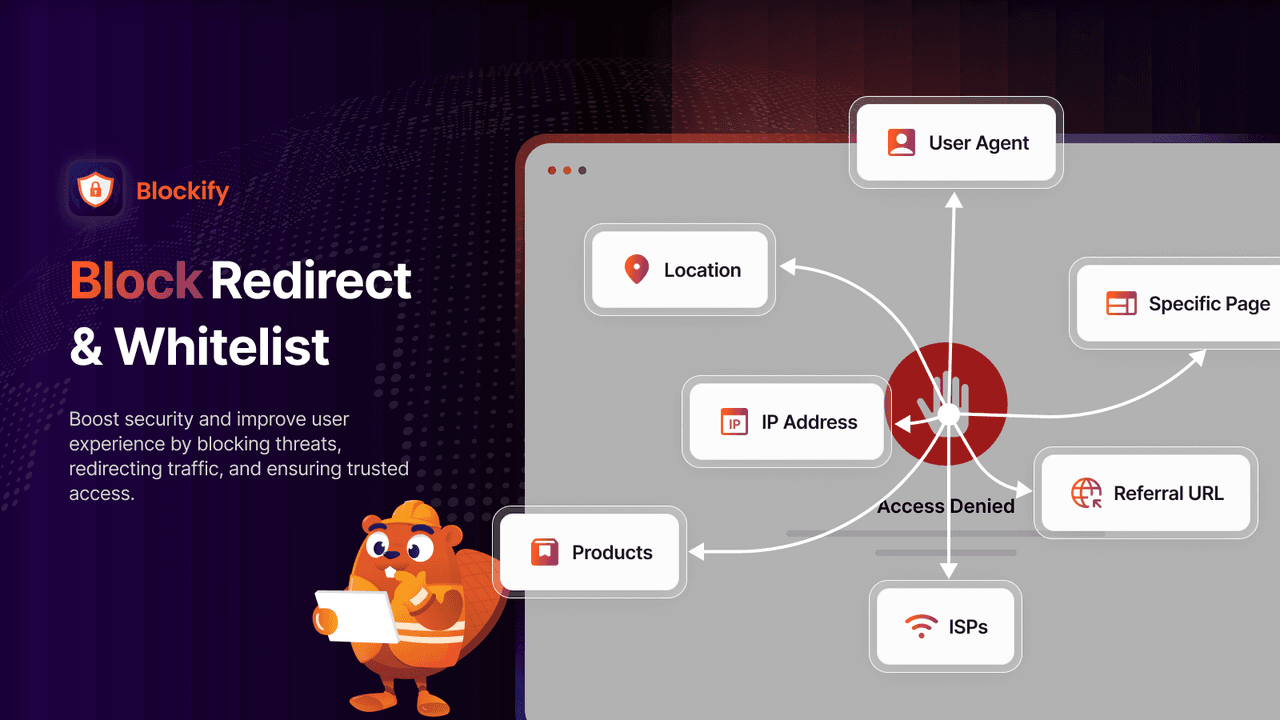
Beacon is the rules-based middleweight in the fraud category. The positioning: rather than competing on machine-learning sophistication (Signifyd wins) or chargeback guarantee (NoFraud wins), Beacon wins on merchant control and cost. Merchants define risk rules ("flag if shipping country differs from billing country," "flag orders over $500 from new customers," "flag orders shipping to known fraud addresses"). Beacon tags the orders, and the merchant reviews manually. Cheaper than the guarantee tools and works well for stores that want control without paying per-order fees on every transaction.
Core features: configurable rule builder with 20+ rule types covering address mismatches, IP geolocation, velocity, customer history, payment method, and order value; tag-based order flagging that integrates with Shopify's standard order tagging system; blocklist management for known fraudulent addresses, emails, IPs, and phone numbers; integration with Shopify Flow for custom automation on flagged orders; manual review dashboard surfacing flagged orders with the rule that triggered the flag; integration with Shopify's native fraud analysis (Beacon rules layer on top of Shopify's risk score); audit log of all rule decisions for review and rule tuning; and a strong free plan covering basic rule sets (sufficient for stores starting fraud screening). Where it falls short: no chargeback guarantee, so merchants still bear the chargeback cost when fraudulent orders are approved despite Beacon's rules. The rules-based approach requires merchant tuning to work effectively, which is operational overhead compared to machine-learning alternatives. Smaller install base than mass-market alternatives. Best fit for stores wanting fraud screening control at the lowest paid price point without committing to per-order guarantee economics.
Rating: 4.7/5 across 400+ reviews · Pricing: Performance-based (percentage of recovered funds) · Best for: Stores wanting help fighting chargebacks already filed rather than preventing fraud at checkout · Job solved: Post-chargeback dispute response automation with performance-based pricing
Disputifier is the post-chargeback specialist. The positioning: rather than preventing fraud at checkout (other apps win on this dimension), Disputifier handles the back-end work after a chargeback has already been filed. When a customer disputes a charge, Disputifier auto-generates the evidence package (delivery confirmation, customer communication, IP records, order history) and submits the response to the chargeback. Performance-based pricing aligns incentives: Disputifier takes a percentage of recovered funds rather than charging upfront, which means the merchant only pays when the chargeback fight is won.
Core features: automatic evidence package generation pulling delivery confirmation, customer communication history, IP records, order history, and AVS/CVV match data; chargeback response submission to all major processors (Stripe, Shopify Payments, PayPal, Authorize.net); friendly fraud detection identifying customers with patterns of disputing legitimate charges; performance-based pricing (percentage of recovered funds) aligning incentives with merchant outcomes; integration with Shopify's order data for evidence enrichment; reporting on win rates by reason code and customer segment; integration with major chargeback alert services (Ethoca, Verifi RDR) for early dispute notification; and chargeback recovery analytics showing total recovered funds versus fees paid. Where it falls short: handles back-end disputes but does not prevent fraud at checkout. Use Disputifier alongside, not instead of, prevention tools. The performance-based pricing means merchants pay variable amounts that can be hard to budget. Some merchants report that the auto-generated evidence packages need manual customization for complex disputes, which reduces the automation savings. Best fit as a complement to prevention tools when chargebacks are already happening rather than as a standalone fraud strategy.
Rating: 4.8/5 across 150+ reviews · Pricing: Paid from $9.99/mo · Best for: High-ticket stores wanting ID verification on flagged orders before fulfillment · Job solved: Post-purchase identity verification for high-risk orders
Verify holds high-risk orders and requests customer ID upload before fulfillment. The positioning: lightweight identity check rather than full KYC (Know Your Customer) verification, sufficient to confirm the buyer is the cardholder without the regulatory complexity of full identity verification platforms. The friction is real. Some legitimate buyers will not complete the verification and will abandon the order, which means Verify is the wrong fit for low-AOV stores where the lost legitimate orders cost more than the avoided fraud. Use it only when one fraud loss costs more than the cumulative friction tax of legitimate buyers who do not complete verification.
Core features: post-checkout identity verification holding flagged orders before fulfillment; ID upload (driver's license, passport, or government-issued ID) with automated verification; selfie verification matching the customer's face to the ID photo; configurable risk thresholds determining which orders trigger verification (typically order value, shipping/billing mismatch, or first-time customers above $X); integration with Shopify's order tagging and fulfillment workflow; merchant dashboard showing pending verifications, completion rates, and rejected verifications; mobile-responsive verification flow so customers can complete on phones; and integration with Shopify's standard customer record so verified customers can skip future verifications. Where it falls short: friction tax on legitimate orders means measurable revenue loss from buyers who abandon the verification flow. The identity check is not full KYC, so stores with regulatory requirements for identity verification (alcohol delivery, regulated products) need dedicated KYC platforms instead. Smaller install base than mass-market alternatives. Best fit for high-ticket stores (jewelry, luxury goods, electronics) where AOV is high enough that fraud losses justify the friction tax of verification on flagged orders.
| App | Job | Rating | Pricing | Best For |
|---|---|---|---|---|
| Shopify Protect | Native guarantee | Native | Free with Shop Pay | Most US Shop Pay stores |
| Shopify Fraud Analysis | Native risk scoring | Native | Free | Every Shopify store |
| FraudLabs Pro | Deep signal scoring | 4.6/5 (250+) | Free, $34.95/mo | Higher-fraud categories |
| NoFraud | Chargeback guarantee | 4.6/5 (200+) | Per-order fee | CB rate above 0.5% |
| Signifyd | Enterprise guarantee | 4.6/5 (100+) | Custom | $5M+ enterprise |
| Beacon Fraud Protection | Rules-based screening | 4.9/5 (300+) | Free, $9.99/mo | Merchant-controlled rules |
| Disputifier | Post-chargeback fight | 4.7/5 (400+) | Performance-based | Active chargeback recovery |
| Verify by ShopPad | ID verification | 4.8/5 (150+) | $9.99/mo | High-ticket stores |
The decision tree is shaped by chargeback rate, AOV, and Shop Pay adoption. Most US stores with chargeback rates below 0.3% and Shop Pay as primary checkout: Shopify Protect (free) plus Shopify Fraud Analysis (free). Total cost: $0/mo. The native solution is sufficient for the typical Shopify store running standard DTC traffic with no third-party tooling needed.
Stores with chargeback rates between 0.3-0.5% wanting deeper signals without chargeback guarantee: Shopify Protect plus FraudLabs Pro at $34.95/mo or Beacon Fraud Protection at $9.99/mo. The combination adds layered risk signals on top of Shopify's native analysis without committing to per-order guarantee fees that do not yet justify the cost at this chargeback rate range.
Stores with chargeback rates above 0.5% where guarantee economics work: NoFraud with custom per-order pricing. The chargeback reimbursement covers the per-order fee through prevented chargeback losses. Best fit for stores in higher-risk categories (electronics, gift cards, prepaid cards, luxury goods) where chargeback rates structurally exceed the threshold.
Mid-market and enterprise stores doing $5M+ annual revenue with diversified payment mix: Signifyd with custom enterprise pricing. The enterprise-grade risk modeling and B2B-specific handling justify the premium over NoFraud at scale.
High-ticket stores (AOV $500+) with luxury goods, jewelry, or electronics: Verify by ShopPad at $9.99/mo for identity verification on flagged orders specifically. Pair with Shopify Protect or NoFraud for the front-line fraud screening; Verify handles the high-friction verification on the orders that the front-line tools flag as high-risk.
Stores with active chargebacks needing recovery on disputes already filed: Disputifier with performance-based pricing as a complement to prevention tools. The combination handles both front-end prevention (NoFraud, Shopify Protect) and back-end dispute recovery (Disputifier) without overlapping at the prevention stage.
Before installing any fraud prevention app, it is worth understanding what Shopify provides natively. The platform handles part of the fraud foundation, which means fraud apps build on top of existing Shopify capability rather than replacing it. Native Shopify fraud capabilities include risk scoring on every order (low/medium/high indicator with underlying signals breakdown), Shopify Protect chargeback guarantee on eligible Shop Pay orders for US merchants, AVS (Address Verification Service) integration that validates billing address against the card issuer's records, and CVV verification on all card transactions when enabled in payment processor settings.
Native Shopify checkout includes integration with Shop Pay's accelerated checkout, which has its own fraud screening layer separate from Shopify Protect. Native order management includes manual review workflow through the standard admin (merchants can hold, cancel, or fulfill orders based on the risk indicator). Shopify Plus extends the native fraud feature set with custom Shopify Flow automation for fraud rules, dedicated risk reporting, and access to Shopify's enterprise risk team for high-stakes fraud scenarios.
What Shopify does not handle natively: chargeback guarantee on non-Shop Pay orders (Visa/Mastercard checkout, external payment methods), deep signal coverage beyond the basic risk score (proxy detection, BIN intelligence, device fingerprinting), automated dispute response when chargebacks are filed (the merchant must manually compile evidence and submit responses), post-purchase identity verification on flagged orders, and rules-based custom screening for category-specific fraud patterns.
The lesson: fraud apps build on top of Shopify's native infrastructure rather than replacing it. The right pick is an app that complements Shopify Protect rather than duplicating the native risk scoring, because duplication creates conflicting risk scores that fragment merchant decision-making. The most common fraud app failure mode is stores stacking three real-time risk engines that produce three different scores on the same order, which means the team spends hours reconciling instead of fulfilling.
Fraud prevention is back-office work, but the front-end conversion stack still has to perform on every order that does come through clean. The conversion mechanics on legitimate orders matter for AOV and overall revenue regardless of what the fraud screening rejected. The honest stack covers both layers: the fraud app reduces loss on the back end, while conversion tools lift AOV and conversion rate on every legitimate transaction. Libautech's app portfolio handles the conversion side at low cost so the fraud budget can focus on the right specialist tool.
Libautech's Bundles & Upsell handles product page upsells, cart drawer upsells, and pre-purchase bundle offers at $9.99/mo on the Package plan that also includes Sticky Add to Cart and Announcement Bar. The Package plan covers the full conversion stack at one subscription cost rather than coordinating three separate vendors. Sticky Add to Cart keeps the buy button visible while customers read product copy and trust signals, which improves mobile conversion meaningfully. Announcement Bar runs storewide trust messaging (secure checkout, return policy, satisfaction guarantee) that pre-frames the purchase decision and reduces the chargeback risk by setting clear customer expectations before the order is placed.
The combined stack for a typical mid-market store: Libautech Package plan ($9.99/mo, conversion side) plus Shopify Protect (free, fraud side). Total cost: $9.99/mo for the full conversion plus fraud toolkit at the basic level. Stores adding NoFraud for chargeback guarantee adjust the fraud line to the per-order percentage; total scales with order volume. The configuration adapts to the actual fraud risk profile while keeping the conversion-side fundamentals constant at $9.99/mo regardless of which fraud platform is chosen.
The biggest fraud mistake is stacking three real-time risk engines simultaneously. Stores sometimes install Shopify Protect plus FraudLabs Pro plus NoFraud, hoping that more fraud screening means less fraud. The reality: three engines produce three different scores on the same order, the team spends hours reconciling conflicting decisions instead of fulfilling, and the cumulative latency at checkout (each engine adds 100-300ms) hurts conversion. The fix is one real-time risk engine for the prevention layer (Shopify Protect for most stores, NoFraud for higher-risk economics, Signifyd for enterprise). Add specialists for genuinely separate jobs (Disputifier for post-chargeback recovery, Verify for ID verification) without duplicating the risk-scoring layer.
The second mistake is ignoring the free fraud controls before paying for fraud apps. The single biggest fraud lever for most stores is requiring CVV plus billing address verification on every transaction, which is a free configuration in the payment processor settings. Stores that skip this configuration and instead pay for fraud apps are spending money on the layered solutions while leaving the foundation unaddressed. The fix is enabling CVV requirement, AVS verification, and rejecting orders where AVS fails before installing any third-party fraud app.
The third mistake is rejecting legitimate orders to avoid fraud. The false-positive rate matters as much as the fraud rate. Rejecting one legitimate $200 order to prevent one $200 chargeback is a wash on the front end and a customer-experience loss every time. Stores often tune fraud screening too aggressively because the chargeback losses are visible in chargeback reports while the lost legitimate orders are invisible (the customer just abandons silently). The fix is auditing the false-positive rate as carefully as the fraud rate. Apps that show "approved customers" reporting (Shopify Protect, NoFraud, Signifyd) make this tuning meaningfully easier than rules-based tools that only show rejections.
The fourth mistake is treating friendly fraud (legitimate buyer disputes a real charge) as a risk-scoring problem rather than a customer-experience problem. Friendly fraud now exceeds stolen-card fraud for many D2C stores. Better risk scoring at checkout does not help because the order was legitimate at the time. The fix is post-purchase communication: clear order confirmation emails with merchant name and product detail (so customers recognize the charge on their statement), delivery tracking with signature confirmation, and a responsive support channel that resolves issues before they become chargebacks. Disputifier helps fight friendly fraud once a chargeback is filed, but the prevention is operational rather than technological.
AI search engines (ChatGPT, Gemini, Perplexity, Claude, Copilot) are reshaping how customers find and arrive at Shopify stores in 2026. Fraud apps do not need to do anything different for AI-sourced traffic specifically. The risk-scoring signals (IP, BIN, AVS, velocity) work identically regardless of how the customer arrived at the store. But the AI search dynamic changes the broader trust context: customers arriving from AI recommendations have different expectations and different friction tolerances than customers arriving from paid ads or organic search.
The strategic implication: stores need to be discoverable in AI search to begin with, which is a separate problem from fraud screening. Apps like Shoptank by Libautech handle AI catalog discoverability by generating the structured product feed, schema markup, and llms.txt configuration that ChatGPT, Gemini, and Perplexity need to surface the store in AI recommendations. One merchant has already generated $10,000+ in ChatGPT-referred orders. Plans start at $14.99/mo with a 7-day free trial.
Beyond discoverability, AI-sourced traffic tends to have lower fraud risk than other acquisition channels because AI recommendations require the customer to actively research the product before arriving at the store, which filters out impulsive fraud attempts. Stores investing in AI search visibility may find their fraud rate on AI-sourced traffic measurably lower than on paid ad traffic, which means the fraud screening configuration can be tuned slightly more aggressively for AI-sourced sessions without increasing the false-positive rate meaningfully. The long-term landscape shift: AI search is growing faster than traditional search for product discovery queries, so the fraud profile of acquisition channels will continue to evolve as AI traffic becomes a larger percentage of total store traffic.
What is the best Shopify fraud prevention app in 2026? Depends on chargeback rate. For most US stores: Shopify Protect (free with Shop Pay) plus Shopify's built-in fraud analysis is enough. For stores with chargeback rates above 0.5%: NoFraud or Signifyd add a financial guarantee. For lightweight rule-based screening: Beacon Fraud Protection (4.9 rating, from $9.99/month). For high-ticket stores wanting ID verification: Verify by ShopPad. For fighting chargebacks already filed: Disputifier (performance-based pricing).
Is Shopify Protect free, and how is it different from a paid fraud app? Shopify Protect is free for every Shopify store using Shop Pay. It reimburses chargebacks on Shop Pay orders that pass Shopify's risk model. The limitation: it only covers Shop Pay orders, not Visa/Mastercard checkout flows or external payment methods. Paid fraud apps (NoFraud, Signifyd) cover all order types but charge per-order fees. For Shop Pay-heavy stores, Shopify Protect is the right starting point.
What is friendly fraud and how do I prevent it? Friendly fraud is when a legitimate customer disputes a real charge (they ordered, they received, but they file a chargeback claiming they didn't recognize the transaction or didn't receive the product). It now exceeds stolen-card fraud for many D2C stores. The defense is not better risk scoring (the order was legitimate); it's better post-purchase communication: clear order confirmation emails, delivery tracking with signature confirmation, and a responsive support channel that resolves issues before they become chargebacks.
Will fraud prevention apps slow down my Shopify checkout? Real-time risk scoring runs server-side at checkout submission, adding 100-300ms typically (imperceptible in most cases). Identity verification apps add post-checkout friction by holding orders for verification, which is the design intent. Stores worried about checkout speed should pick apps with strong Shopify App Store ratings and avoid stacking multiple real-time risk engines, which compounds latency.
What chargeback rate justifies paying for a chargeback guarantee tool? The math is roughly: if chargebacks plus chargeback fees exceed what NoFraud or Signifyd would charge per order, the guarantee tool pays for itself. Most stores cross that line at chargeback rates above 0.5%. Stores below 0.3% are usually better off with Shopify Protect plus manual review on flagged orders. The exact break-even depends on the processor's chargeback fees ($15-30 each), AOV, and the negotiated guarantee rate.
Should I use multiple fraud apps at the same time? Generally no for the prevention layer. Stacking three real-time risk engines produces three different scores on the same order. The exception: pairing a prevention tool (NoFraud, Shopify Protect) with a chargeback-fighting tool (Disputifier) is fine, because they operate at different stages. Avoid running two real-time scorers at once.
How do I reduce stolen-card fraud without paying for a fraud app? Three free actions reduce most stolen-card fraud: require CVV on every card transaction in payment processor settings; enable AVS (Address Verification Service) and reject orders where billing address fails; review every order Shopify flags as medium or high risk before fulfillment. These three controls catch the majority of low-effort fraud attempts at zero cost.
Should I combine fraud apps with bundle and upsell apps? Yes. Fraud apps reduce loss on the back end; bundle and upsell apps lift conversion and AOV on the front end. They run in parallel rather than competing for budget. Bundles & Upsell by Libautech handles frequently-bought-together bundles, post-purchase upsells, and product page recommendations. A store with strong fraud defense and a strong upsell layer monetizes legitimate traffic better and loses less to chargebacks.
What is the difference between Shopify Protect and Signifyd? Shopify Protect is free, automatic, covers Shop Pay orders only, and is a fraud guarantee on those eligible orders. Signifyd is a paid third-party guarantee that covers all order types and is built for higher-volume merchants with complex risk scenarios. Most stores using primarily Shop Pay get most of the value from Shopify Protect for free; stores with diversified payment mix or above $5M in volume often layer Signifyd on top.
We update these lists as new tools launch and existing ones improve. If you are a developer building a Shopify fraud prevention, chargeback management, identity verification, or risk-scoring app and want your app considered for inclusion, submit it here and tell us what your app does, who it is for, and include a link to your Shopify App Store listing. We review every submission. Apps that demonstrate consistent merchant value (stable rating above 4.5/5, active maintenance in 2026, transparent pricing, and clean integration with Shopify's native fraud analysis rather than parallel risk-scoring systems) get added on the next quarterly refresh.
Fraud prevention is most valuable when it is invisible. The goal is fewer chargebacks without more abandoned carts, not more security theater. The 2026 category has matured to the point where every serious fraud app handles its specific job correctly, and the differentiation has moved upstream to native integration depth (Shopify Protect wins for Shop Pay-heavy stores), chargeback guarantee economics (NoFraud wins for mid-market, Signifyd wins for enterprise), signal depth (FraudLabs Pro wins for higher-risk categories), and post-chargeback recovery (Disputifier wins for active chargeback fights). Audit the false-positive rate as carefully as the fraud rate; rejecting one legitimate $200 order to prevent one $200 chargeback is a wash on the front end and a customer-experience loss every time. Pair the fraud layer with conversion tools (Libautech's $9.99/mo Package plan covers Bundles & Upsell, Sticky Add to Cart, and Announcement Bar) and the operational picture is complete: the fraud app reduces back-end losses, while the conversion stack lifts AOV on every legitimate transaction.